
Breed Guides

Look beyond the breed label
A dog's individual history matters when planning exercise and socialization. Ask the foster carer how the animal responds to visitors, handling and unfamiliar spaces.
Our foster network takes time to learn each animal's habits. Explore the adoption profiles, prepare your home and talk with a coordinator about a lasting match.
Explore adoption guides ↗
A dog's individual history matters when planning exercise and socialization. Ask the foster carer how the animal responds to visitors, handling and unfamiliar spaces.
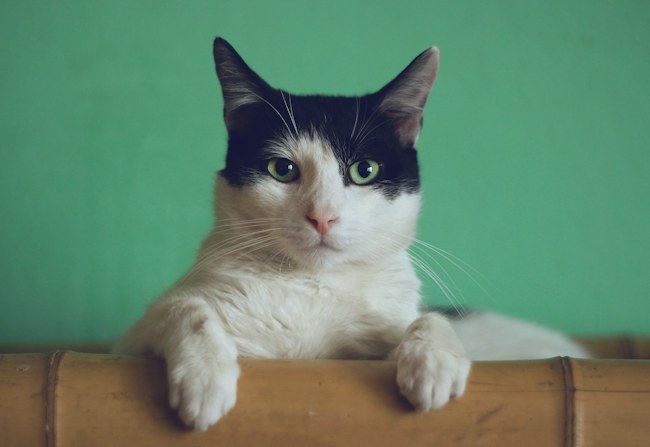
Juniper is a quiet adult cat who follows her foster carer from room to room. She favours a sunny ledge and a household with a predictable routine.

Set up water, a resting place and a quiet retreat before bringing a pet home. Check window screens and move loose cords out of reach.
A foster diary records the small things a photograph misses. A dog may settle quickly on a quiet street and need more space near a busy crossing.
Tell the coordinator about your household rhythm. Working hours, stairs and visiting children all help shape a thoughtful introduction.
Tell us who you hope to meet. Use the prompts to start a conversation with the foster carer.
Arrange a calm introduction and watch how the dog recovers after excitement. Give the coordinator time to explain known triggers and preferences.
Her rescue record includes veterinary checks and spay/neuter details. Email the adoption desk to discuss a meeting and receive the full history.
Introduce the rest of the home gradually. Ask your veterinarian about the appropriate vaccination schedule for the animal's history.
No matching entries. Try another word.